ICONISM
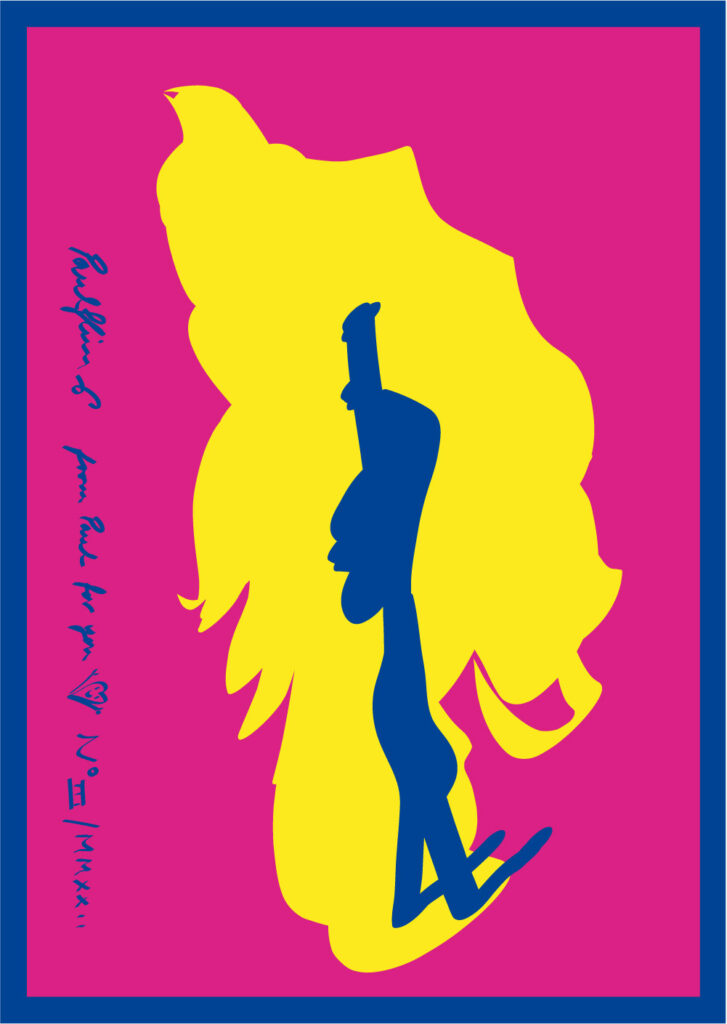
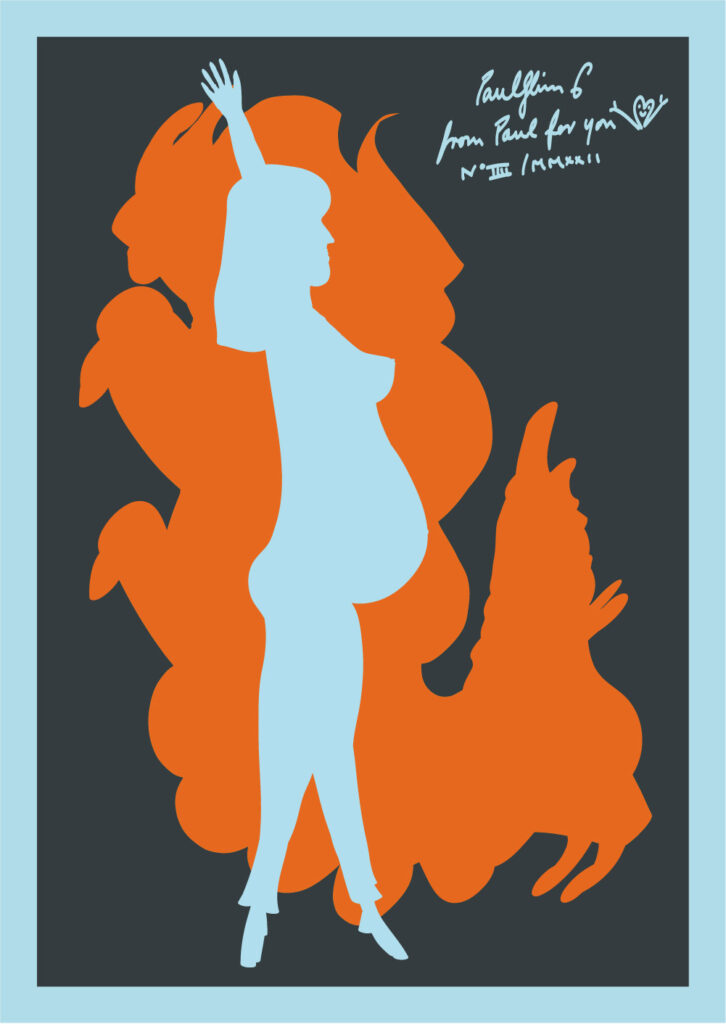
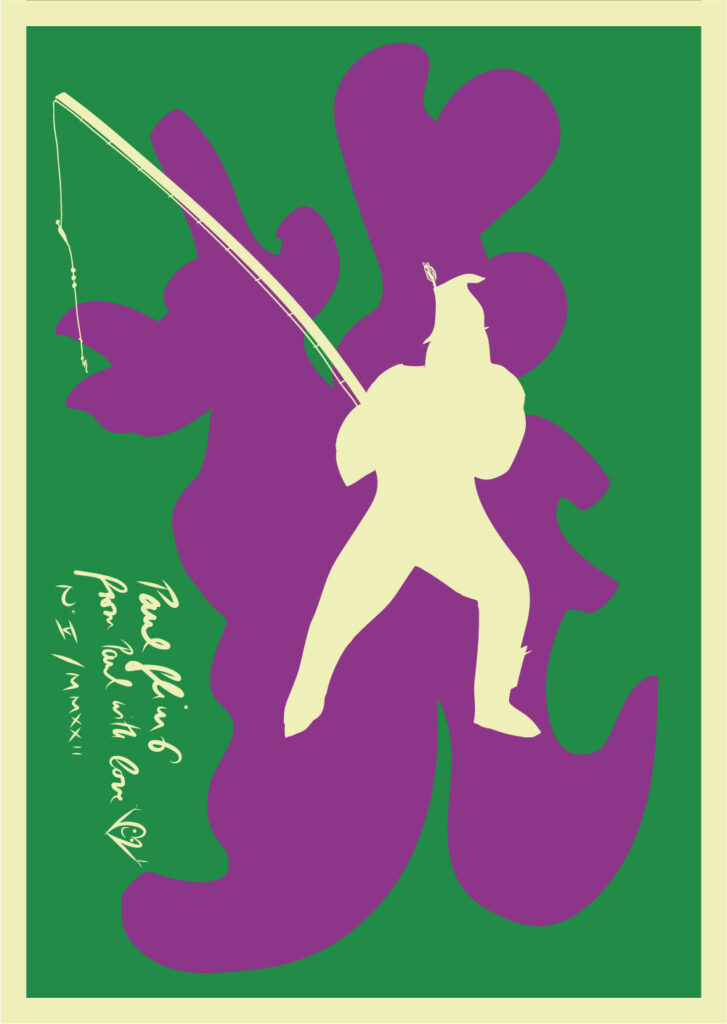
Three colours. No compromise.
„In MMXX I declared Iconism — three colours constitute reality.“
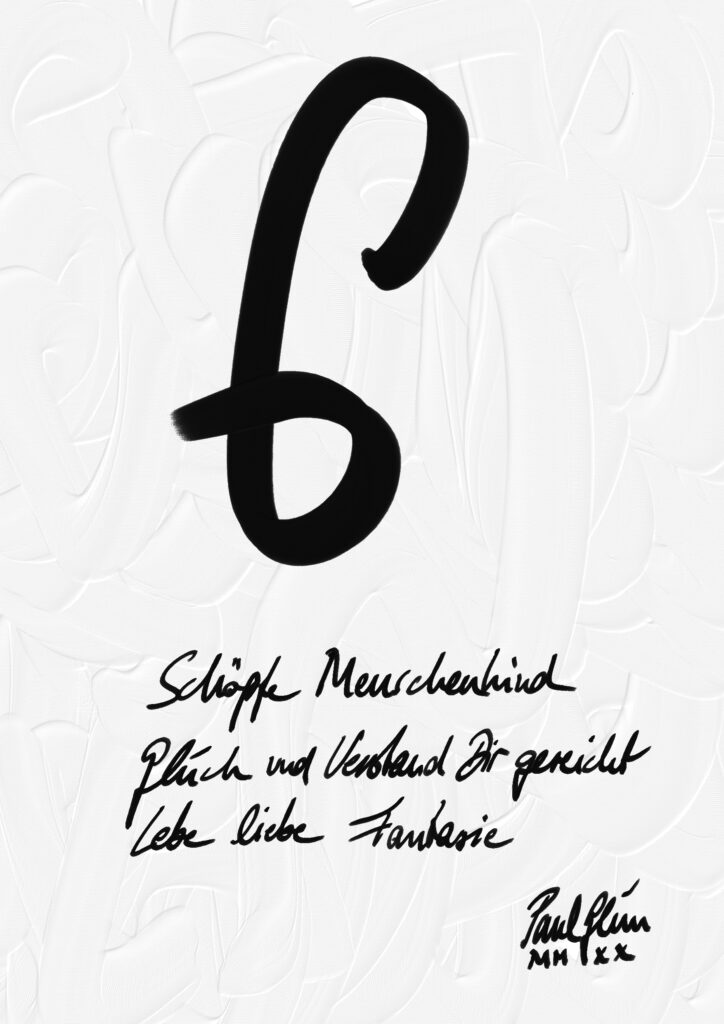
THE ICONISM CODEX
I — Perception
Three cone cells. Three wavelengths. Three signals. Every colour ever seen by a human being is the neural synthesis of these three. Reality, as the eye knows it, is built on three. Not more. Not less.
Three is not a reduction. It is a completion. Nature had five hundred million years to add a fourth — and did not. The eye carries what it needs.
Noise is the absence of choice. Clarity is its consequence. Iconism does not reduce — Iconism reveals what was always there.
Three colours are not a choice. They are the condition.
II — Form
Within three colours, three roles are carried.
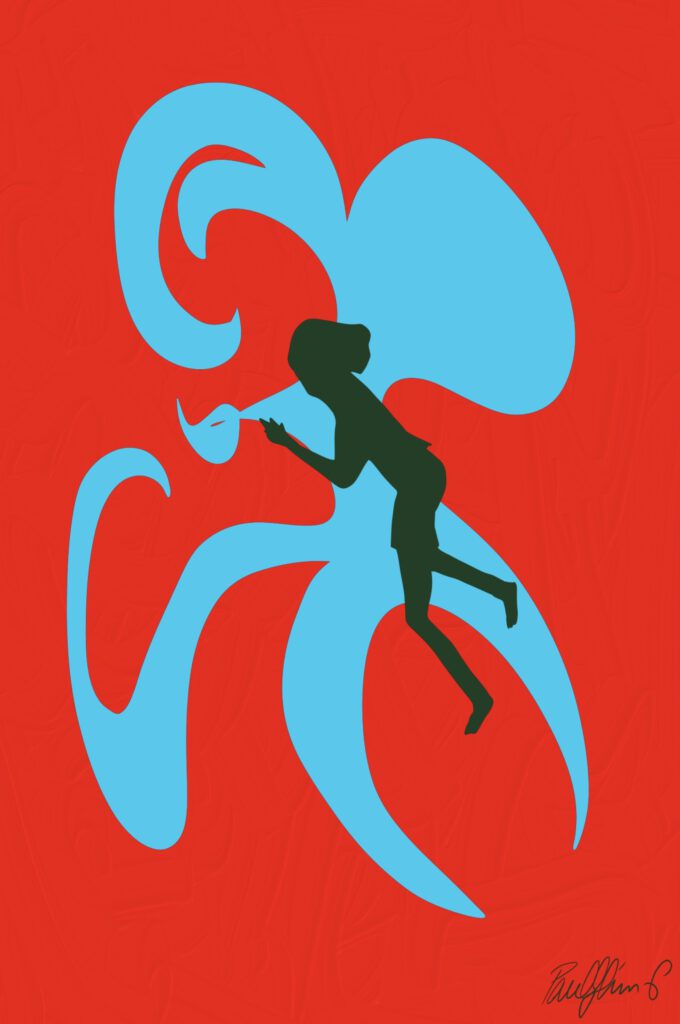
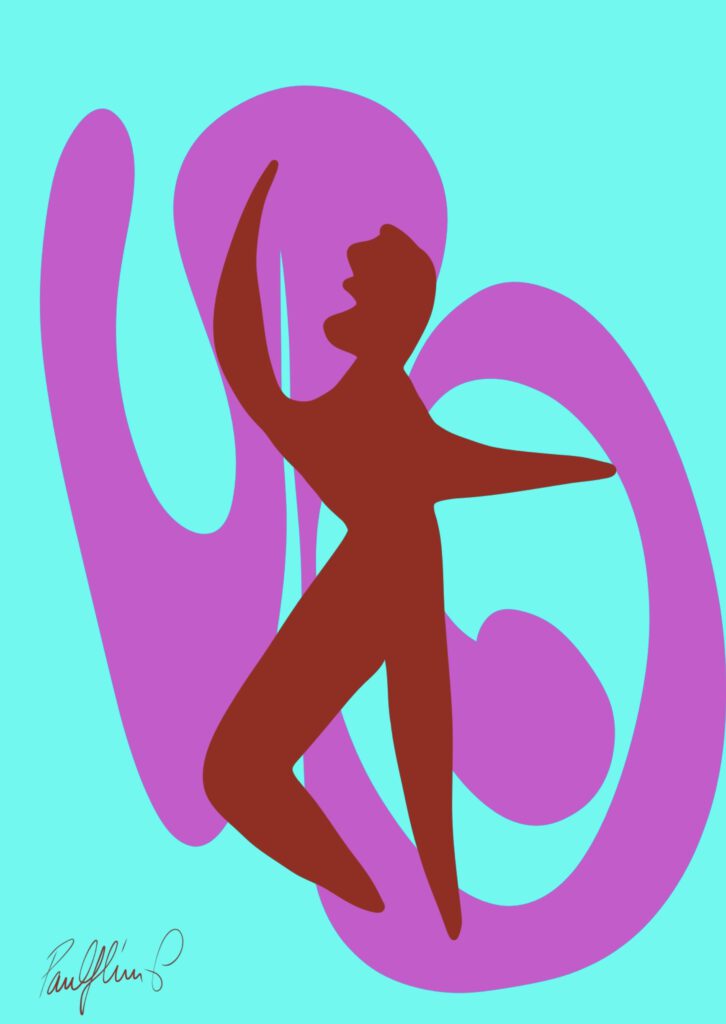
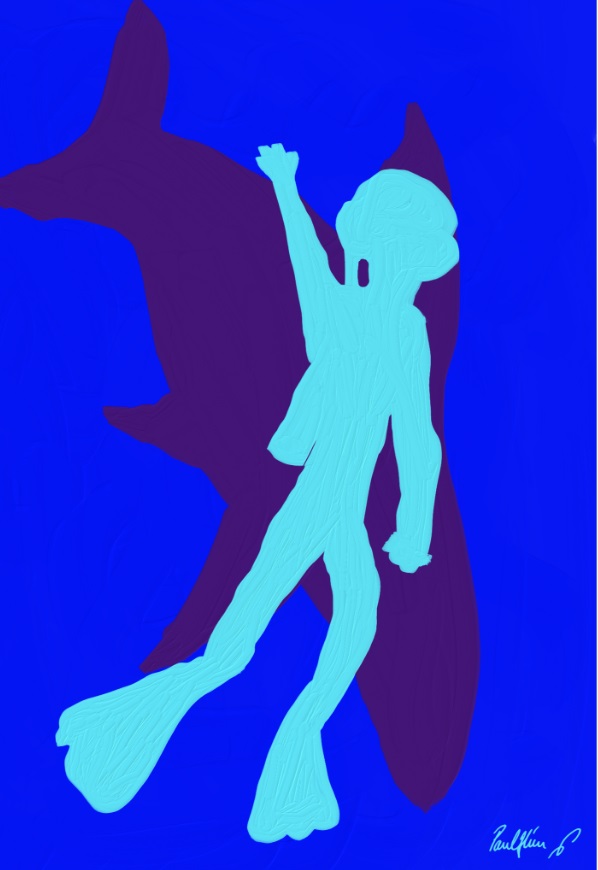
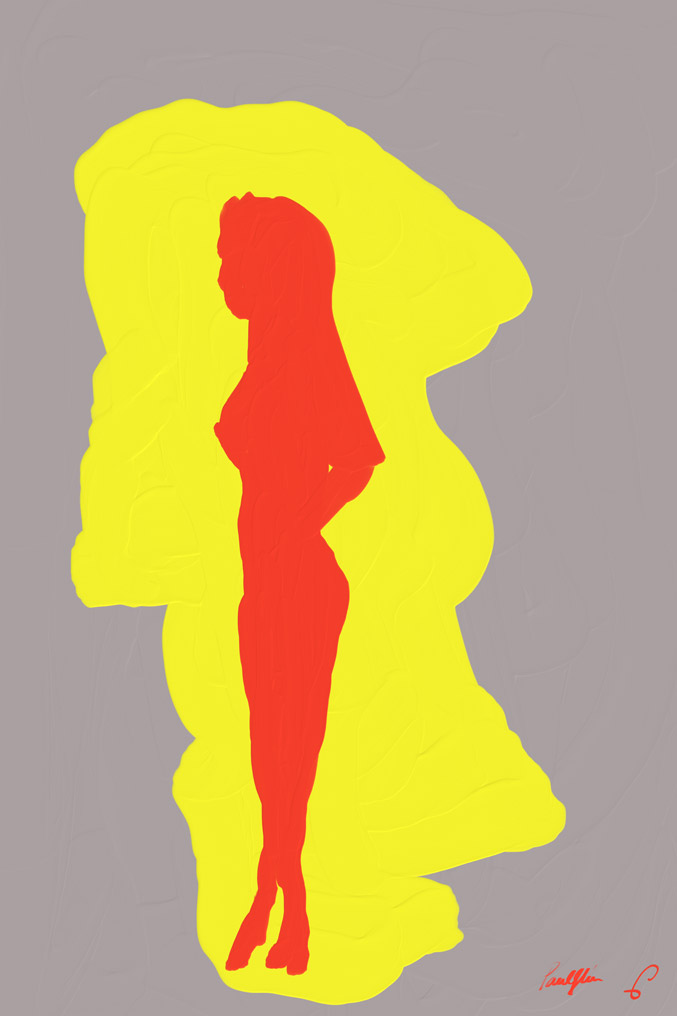
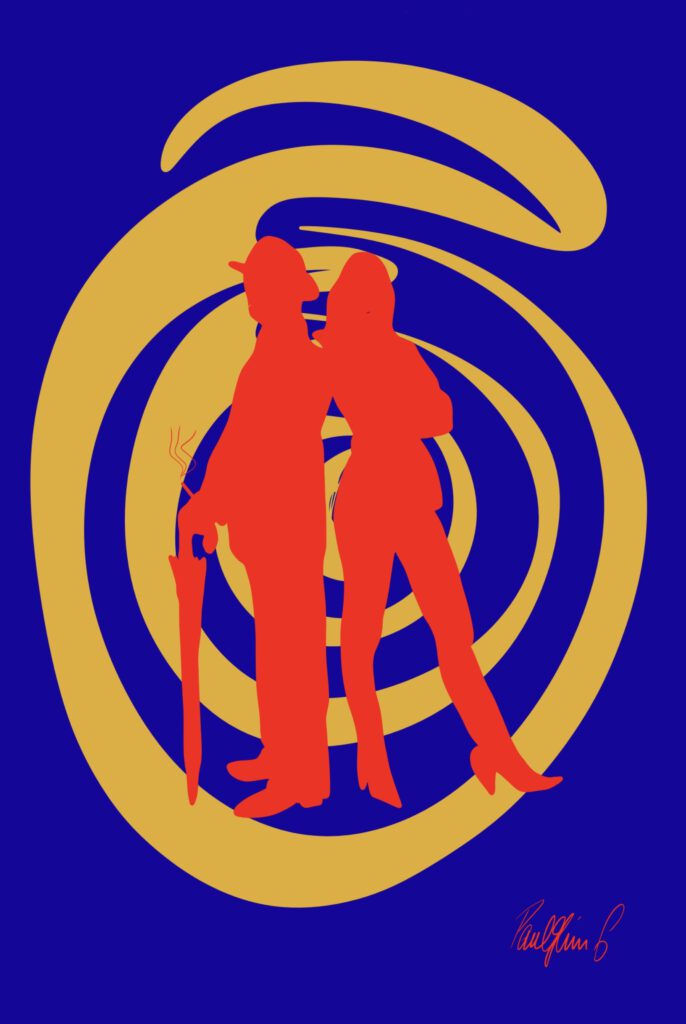
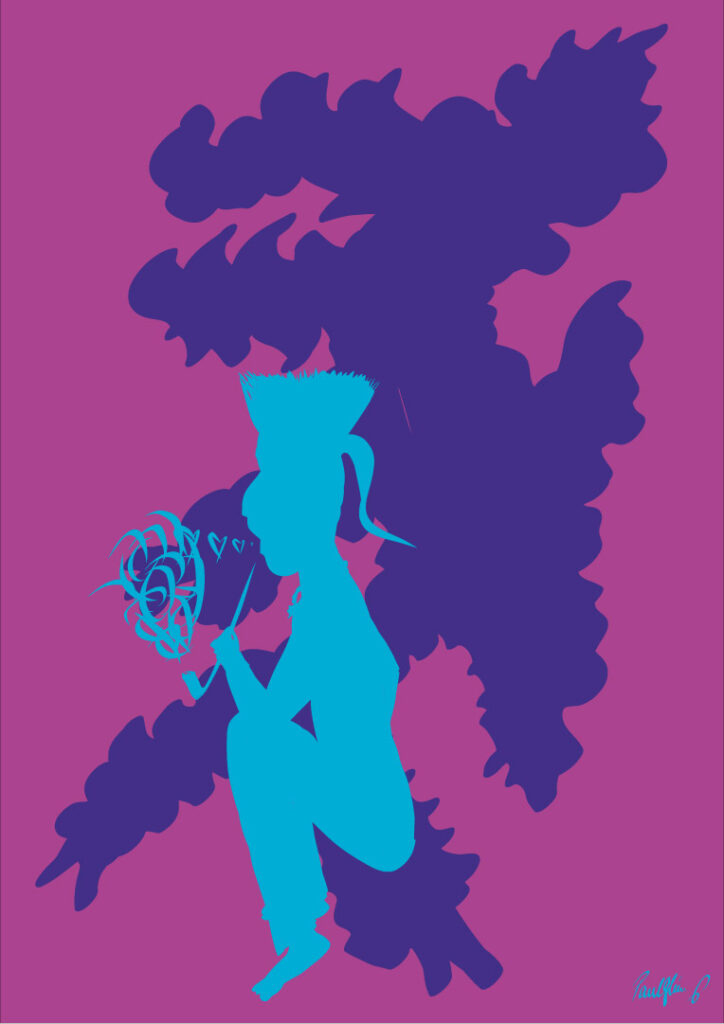
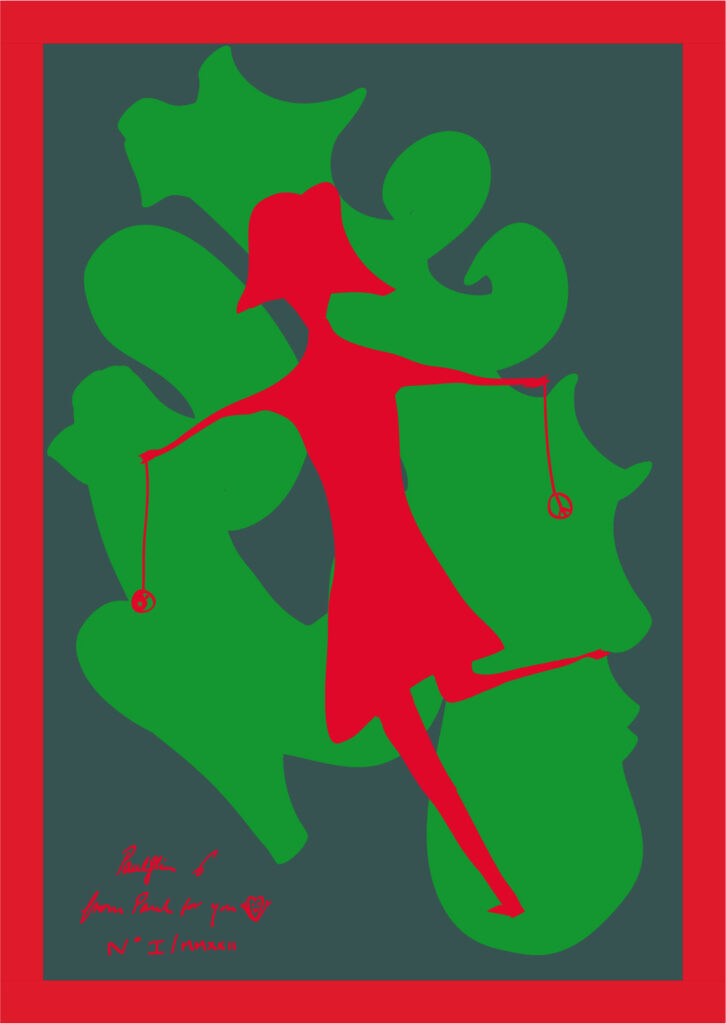
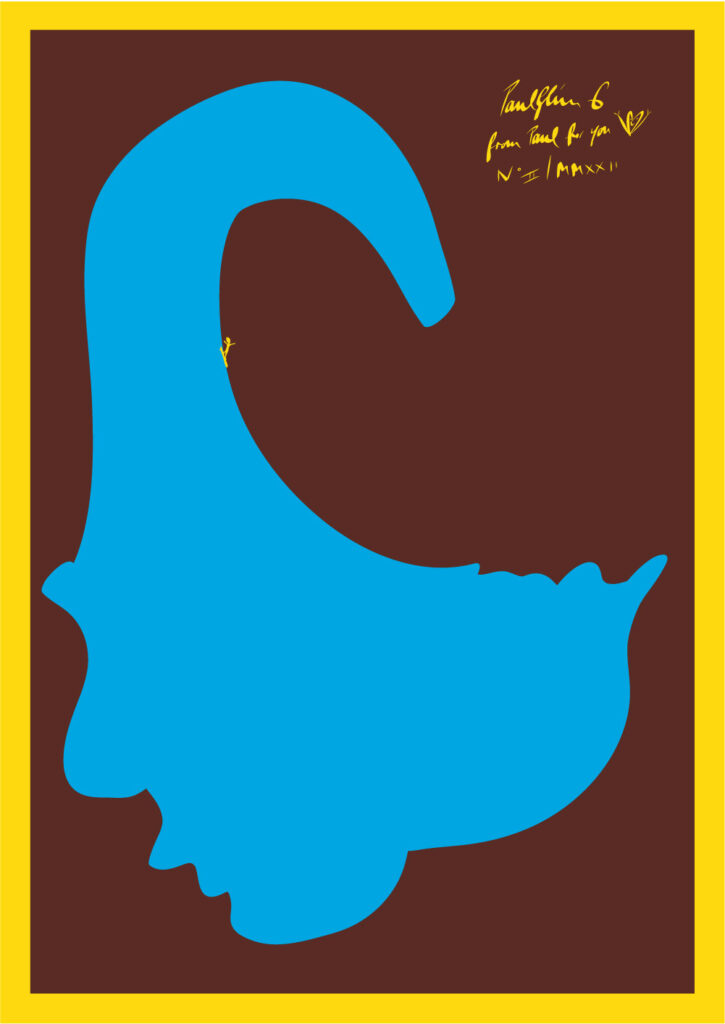
One for the ground — the world before anything appears. One for the gesture — movement, line, the arabesque of being. One for the element — the form that stands within the world.
The element is archetypal. It may be a figure, a mountain, a sign, a silhouette. It is not portrait, not person, not place. It is the essential shape that the eye recognises before it names.
The gesture is movement made visible. The ground is what makes appearance possible.
Three colours. Three roles. One vision.
III — Declaration
In MMXX, Iconism was declared.
Not as a style. Not as a school. As a return — to the conditions under which seeing becomes possible at all.
Every work of Iconism is built from three colours, because the eye sees with three. Every work carries one element, because the world appears as form against ground. Every work is precise, because precision is the form of truth in an age of noise.
Iconism does not ask to be understood. It asks to be seen.
What the eye recognises, it has always known.
Three colours constitute reality.
— Paul Glim, Founder of Iconism